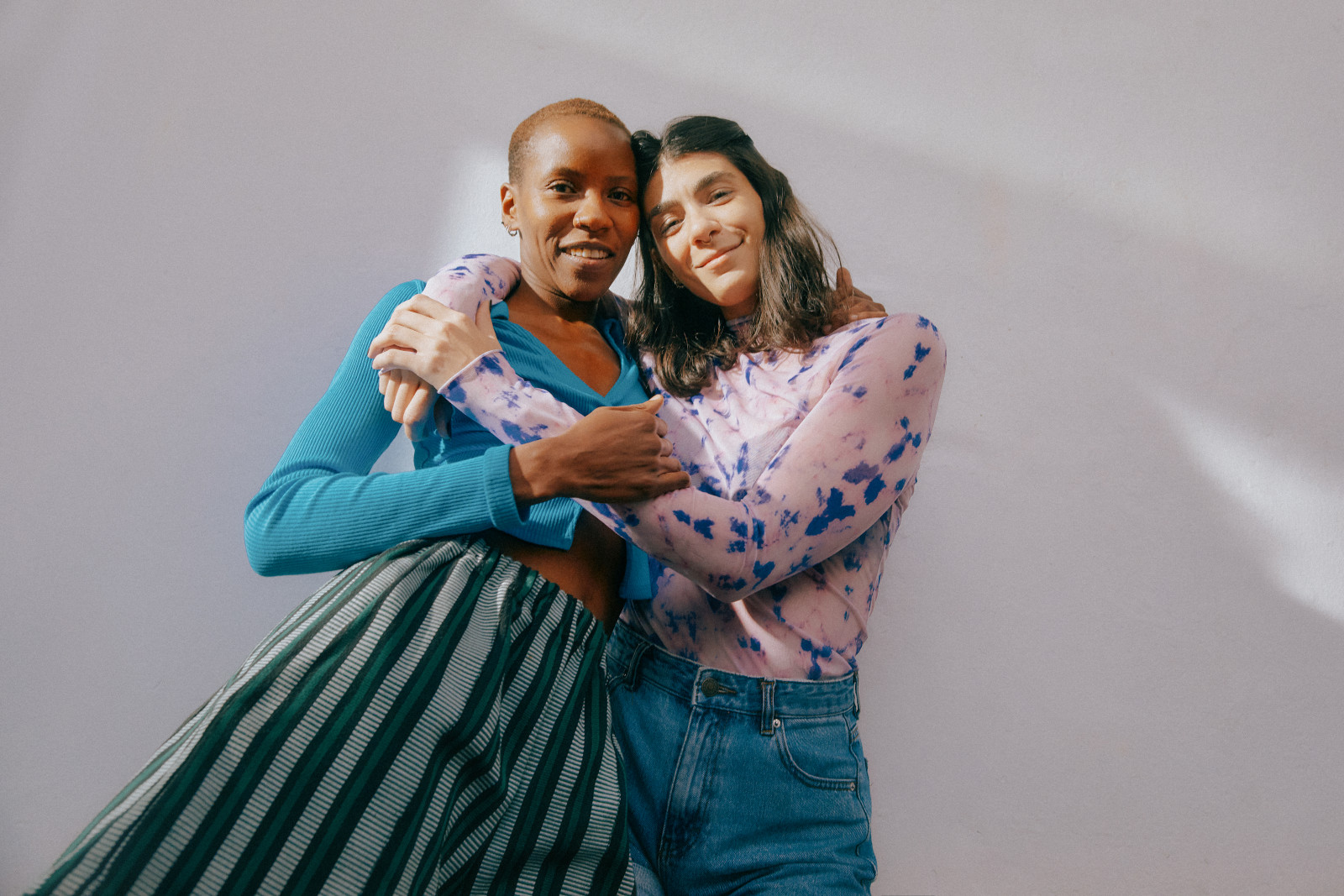
Coming out looks different for everyone.
Whether you're thinking about coming out, planning to do it, or you're coming out again to a new set of people – remember that you get to do it your way.
That might mean doing it slowly, doing it remotely, or even choosing not to do it at all.
There is no right or wrong when it comes to how to "come out of the closet": only what feels right for you.
How to come out as gay, queer, or trans
Sharing your sexuality or gender identity with other people has the potential to be both deeply liberating and deeply vulnerable.
It's okay to take your time to work out how you feel, and to come out to yourself, before coming out to others.
No one should pressure you into coming out before you're ready. And only you get to decide when that may be.
Here are some questions that it might be helpful to ask yourself as you think about coming out:
- What feels true to me about my identity right now?
- How have I arrived at this point? What has my journey been like?
- What would it mean for me personally to "come out"?
- How do I feel when I imagine telling people how I identify?
- What do I need to help me feel safe to come out?
These questions might feel challenging or confronting to answer. You don't need to rush through them, or answer them all.
Take some time to sit with them, and notice what they stir up for you.
If you feel ready to think about the practical steps related to coming out, below are seven tips that might help you find your way.
You can also check out The Trevor Project's fantastic, in-depth Coming Out Handbook for more guidance.
Eight tips for coming out
1. Prioritise your safety and self-care
Coming out can be exciting and joyful. It might also feel scary or overwhelming.
It can be particularly difficult to come out to people who you are not sure will accept your identity, and/or in situations where you're dependent on someone for work or shelter, and/or where it's illegal to be queer or trans.
You might prioritise your safety by:
- Building a support system around you – that could include friends, helplines or charitable organisations, or a therapist.
- Thinking about where and how you come out – for example, in public or private; in-person or in writing.
- Making a safety plan – think about what you might do, and where you might go, to protect yourself if you don't feel safe.
And remember how important it is to take care of yourself – especially when you're navigating a big life transition like coming out.
You deserve rest, compassion, and all the support you need.
2. Think about what you want to say
You might want to plan what you're going to say, and how much you want to share, before you come out.
Of course, conversations don't always go to plan. And if you don't want to plan at all, you don't have to.
But coming out can understandably bring up nerves, fear, and other big emotions – so some find it helpful to think ahead about what exactly they want to say.
3. You can come out on your own timeline
There's never a "perfect" time to come out.
Most importantly: nobody gets to decide when you come out except you.
It's okay to take your time. And it's okay to come out to different people at different times, depending on what feels right for you.
4. You don't have to come out to everyone at once
Coming out is rarely a one-time thing.
You might choose to come out first to someone who feels safe, and that you trust.
Or you might choose to come out first in a situation where there are lower stakes – for example, you might try coming out to a therapist (if they are LGBTQ-affirmative).
Coming out to different groups of people – friends, family, and colleagues – might look different for you.
You don't have to do it all at once. It's okay to take it one step at a time.
It's also okay to choose not to come out to some people at all, if you don't feel safe to do so.
Stonewall reports that only about 46% of lesbian, gay, and bisexual people are out to everyone in their families.
And a national survey in the UK found that a quarter (24%) of LGTBQ+ people were not open with the people they lived with about their identities.
This is the reality for many of us – we make the decisions that help us to feel safe.
Only you can know what the right call is for you, but whatever you choose, you are not doing anything wrong.

5. There are lots of ways to come out
You might come out by having a conversation in person, or you might write a letter, email, or text.
You could choose to do it at a time when multiple people are gathered together, or it might feel safer to approach the conversation one-on-one.
There's no "correct" way to do it – only what makes sense for you.
You don't owe anyone an in-person conversation about your identity if that feels too scary or risky for you. You get to decide what's best.
6. Coming out might be an ongoing process – that's okay
Coming out is rarely a one-time event. It might take time for you to share your identity with everyone you want to share it with – and that's totally okay.
Even when you feel like you've come out to everyone who you want to tell, you might find that "coming out" is still an ongoing process.
As queer and trans people, we often find we "come out" repeatedly: when we meet new people, move homes, or get new jobs.
It might be that your identity keeps evolving, and as it does, you feel a desire to "come out" again to reflect the shifts.
This can be exciting, and it can also be tiring. Remember the first point on this list: it's important to build your support system, and take care of yourself, as you navigate this journey.
7. Remember you don't owe anyone explanations
When you come out, people might have questions for you. That's natural – but remember that it's also completely okay not to answer.
You don't have to explain your identity to anyone, and you never have to share more than is comfortable for you.
You can set a boundary with people who ask questions that you don't want to answer.
This might sound like:
- "I love how supportive you are, but I don't want to talk about my dating life right now."
- "I'm not comfortable going into detail about that."
- "I've shared what I wanted to share – now I'd like to take a break from discussing it."
If you don't feel safe, a boundary might also look like not replying, or leaving the situation.
It's up to you what feels right to share, and what you'd like to keep private.
8. And finally... It's okay not to come out
The writer Dean Atta puts it beautifully in his poem, "How to Come Out as Gay":
"Don't.
Don't come out unless you want to.
Don't come out for anyone else's sake.
Don't come out because you think
society expects you to.
Come out for yourself."
You don't have to come out, full stop.
You get to decide if, when, and how you do it.
If you'd like a safe space to explore the question of what feels right for you, you can always turn to Voda.
Voda's free resources can support you in your coming out journey
Voda is the LGBTQ-affirming mental wellbeing app that's built by us, for us.
Wherever you are in your coming out journey, you can use Voda's journalling and regulation tools to support you as you find your way.
We have a library of resources designed by LGBTQ+ therapists specifically for those who are navigating the process of coming out – you don't have to do it all alone.
Download Voda via Google Play and on the App Store.